Sheet metal line · est. RackForge

The rack is the quietest machine in your data hall.

RackForge builds 42U–52U AI high-density racks and cold aisle containment with the power path and the coolant path mounted at the factory. Busbar tap-off slots, coolant manifolds and UQD quick disconnects arrive on the frame, already tested — so your first live load lands weeks after order, not quarters.

Request a Quotation View Specifications

132 kW per cabinet · 1,600 kg static load · 30-day FOB lead time

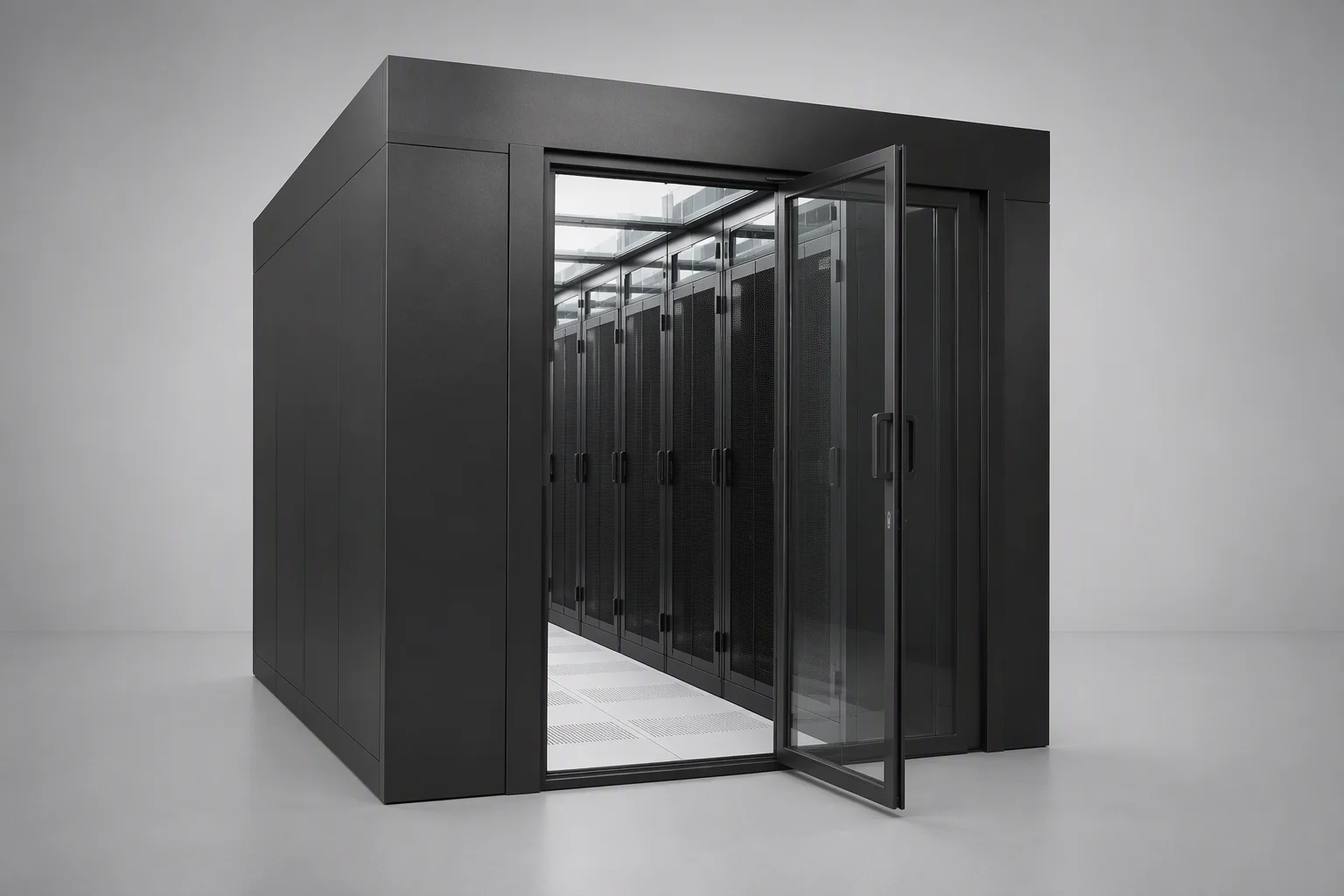
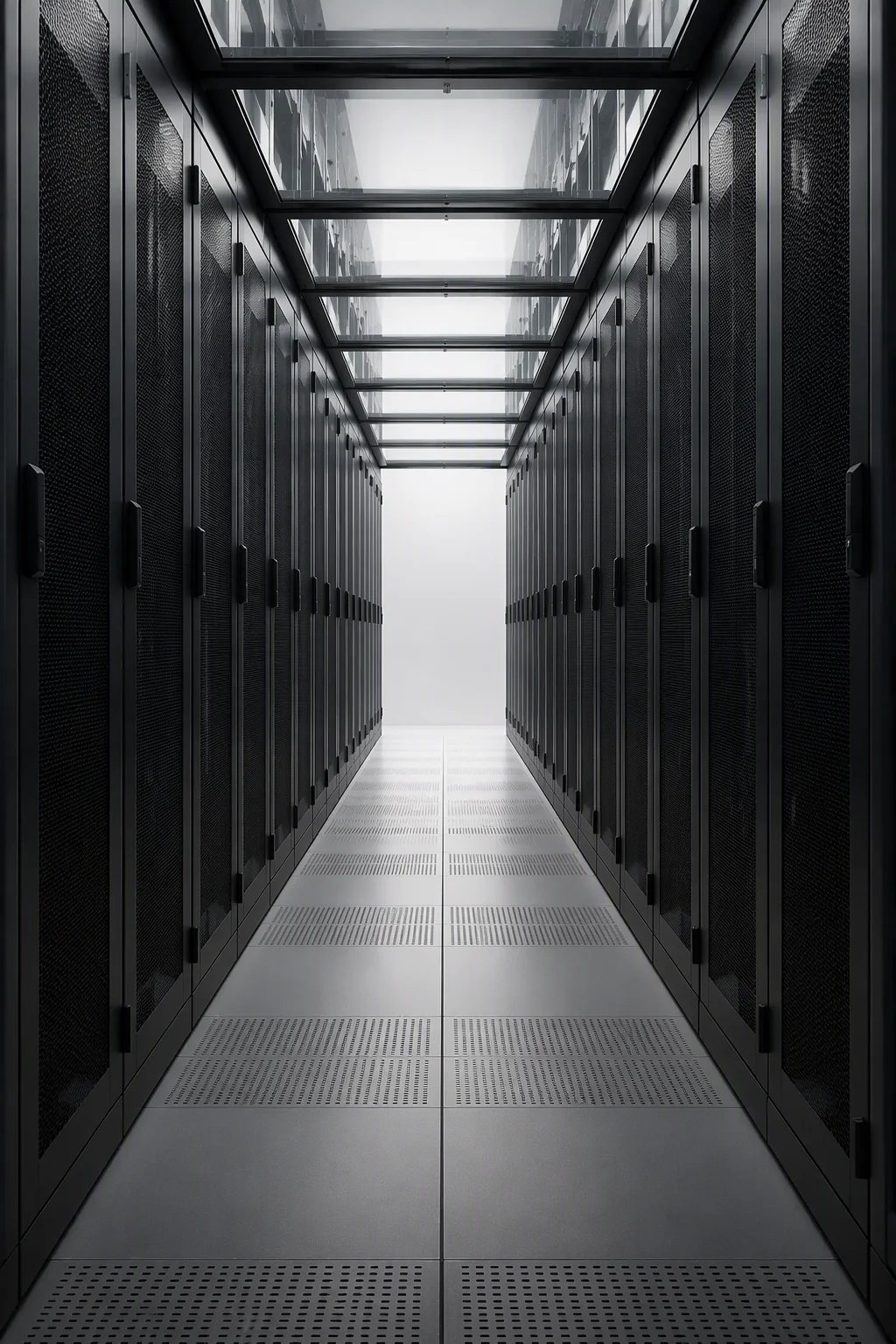
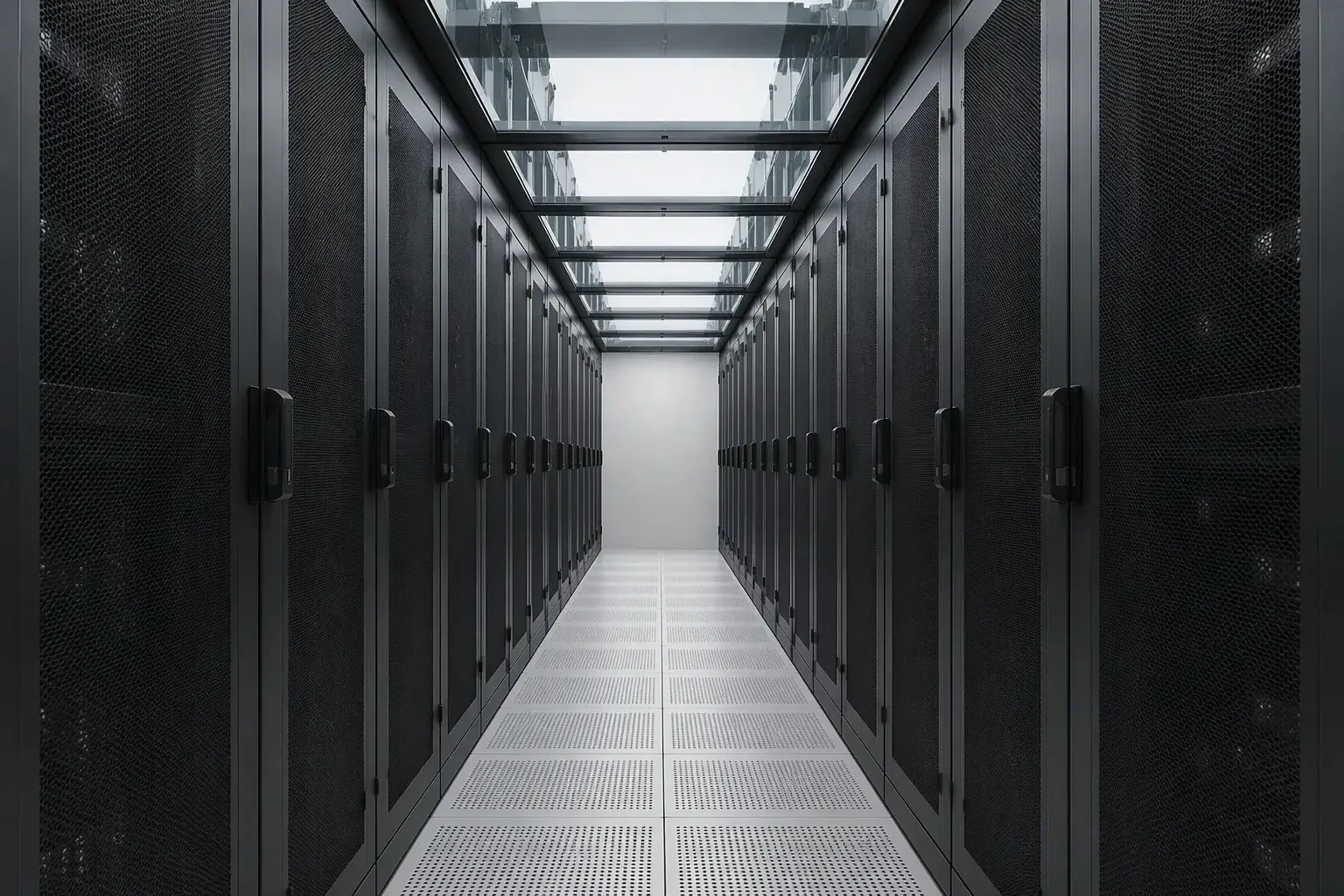
Single row of black AI server racks behind glass cold-aisle doors in a cold-white data hall, symmetrical frontal view
PLATE I — Cold aisle, unmanned, 6:40 am. The containment glass is sealed; the aisle waits for its first 132 kW cabinet.

132kW Per-cabinet power ceiling, NVL72-class liquid-cooled line
1,600kg Static load on high-density frames, proven at a 4× safety factor
±0.1mm Fabrication tolerance, laser cutting through final assembly
Product lines

Six ways to put density on the floor

One sheet metal line, six product families. Mix them freely — a containment aisle on our racks, a busway spine behind our columns, an OEM bracket set on the same powder-coat line. Interfaces match by construction, not by negotiation.

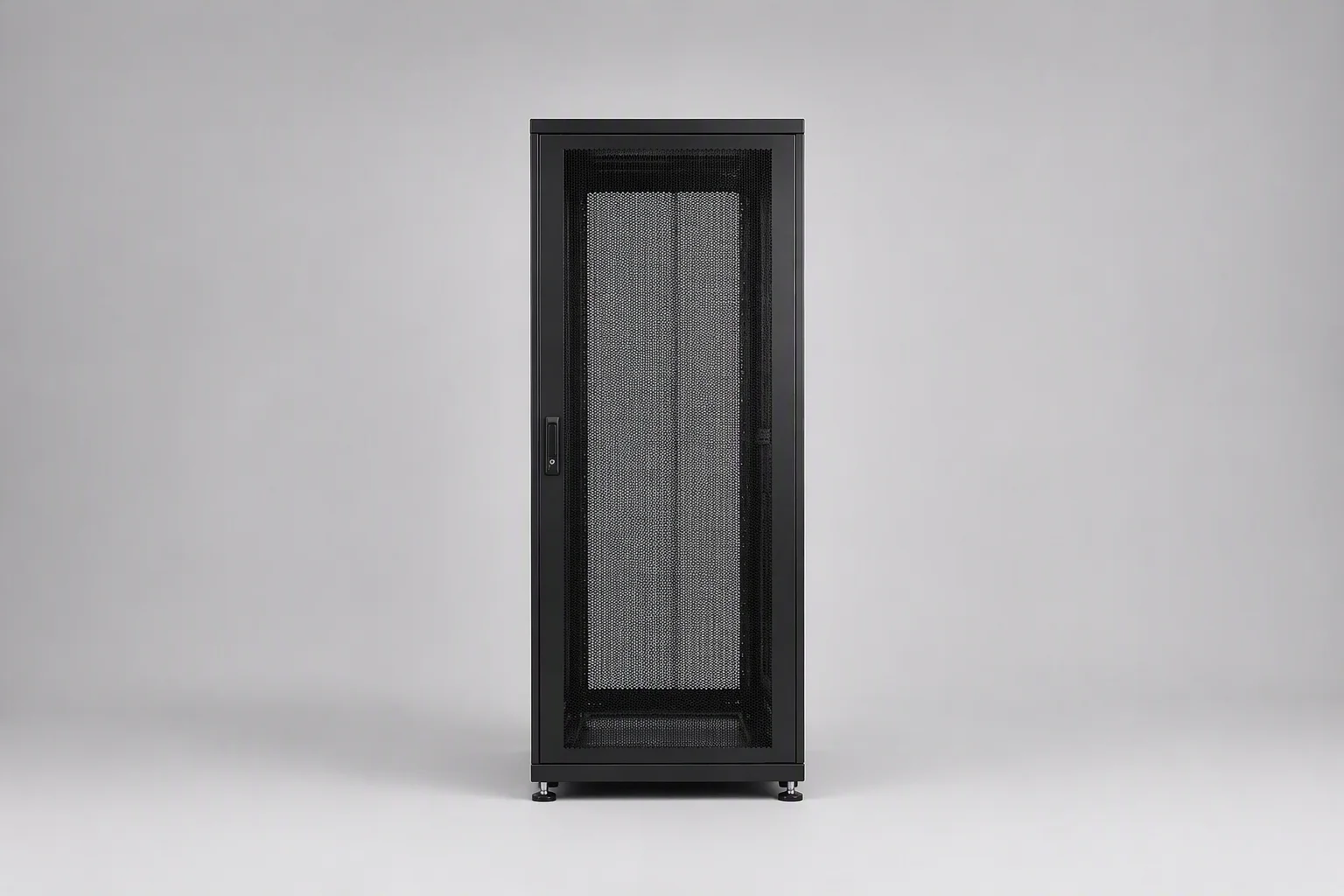
Standard RackForge server rack with mesh front door, three-quarter studio view

Standard Racks

The quiet workhorse line: 600 or 800 mm wide, 1,000–1,200 mm deep, rated 1,500 kg static load for general compute and network floors.

  • SPCC frame, 1.5–2.0 mm, laser-cut and bend-formed in house
  • Mesh front door with ≥80% open area, or solid steel
  • 42U (1,991 mm), 48U (2,265 mm) and 52U (2,461 mm) heights
Learn more →
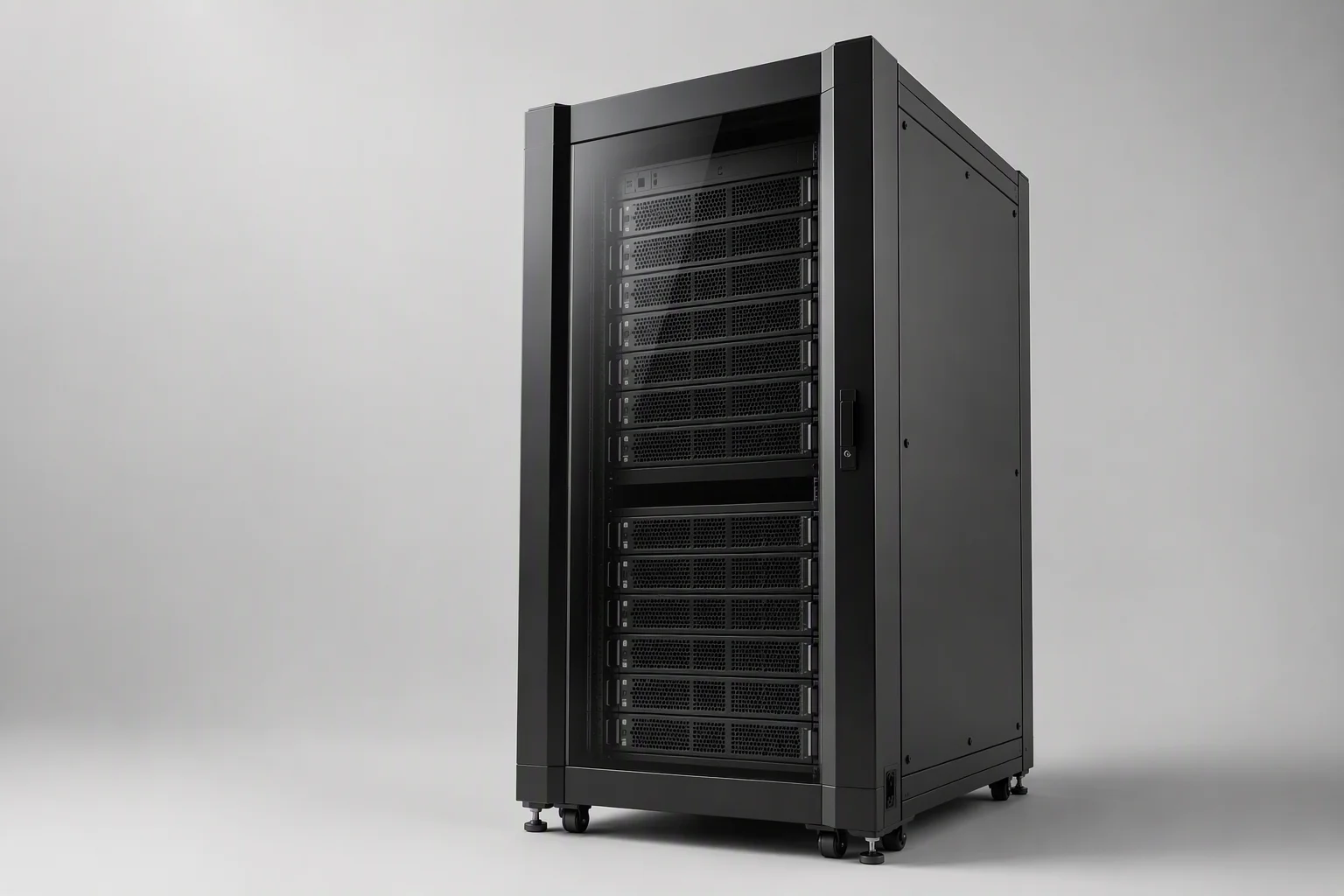
GPU high-density rack with glass door and dense equipment rails

GPU High-Density

800 mm-wide frames engineered around GB200/GB300 NVL72 footprints, braced for NVLink clusters and 40–132 kW per cabinet.

  • 1,600 kg static load at a 4× safety factor, test report included
  • 800×1,200 mm footprint aligned to NVL72 rack dimensions
  • Air-cooled to about 40 kW; liquid takes over above that line
Learn more →
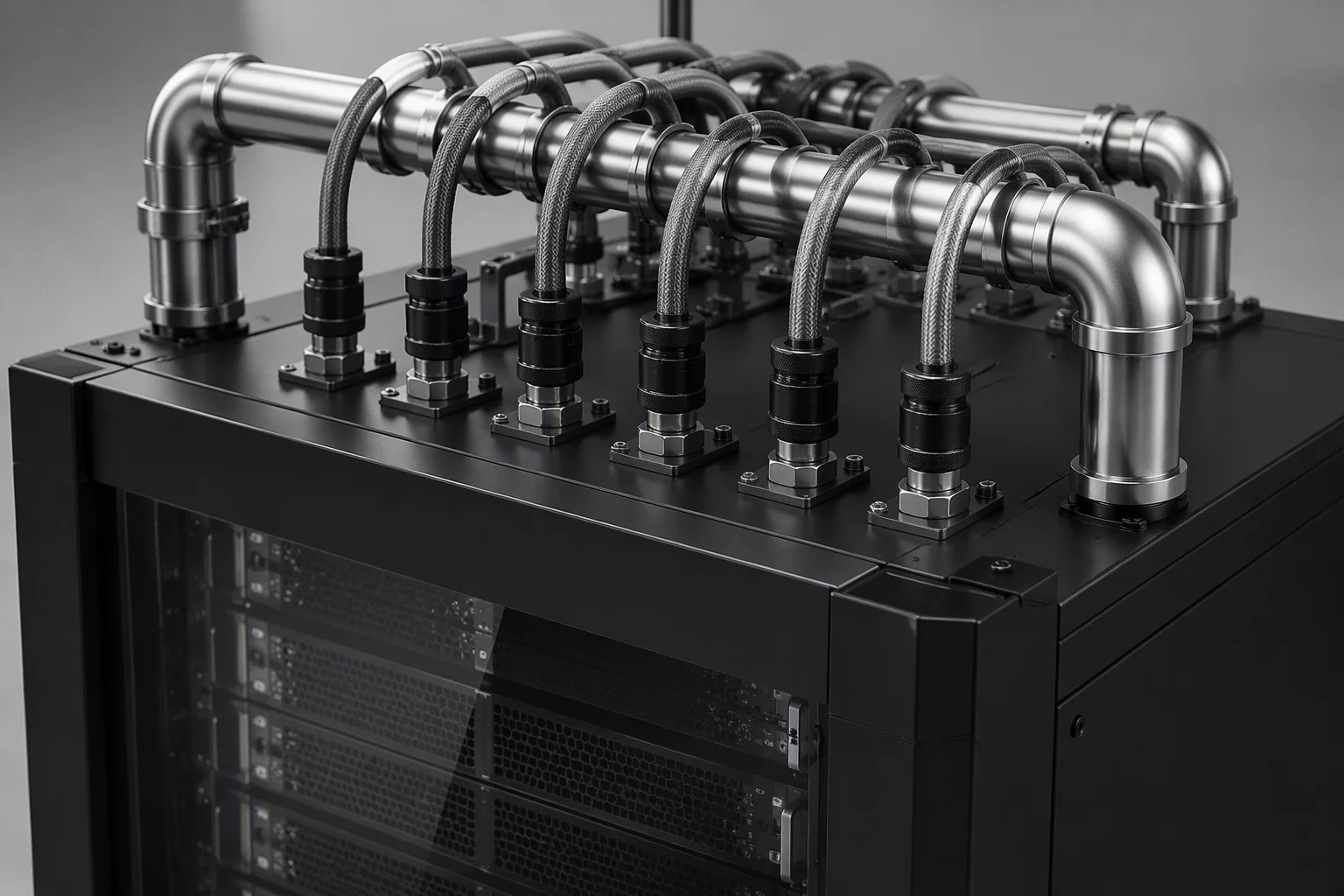
Coolant manifold with UQD quick disconnects mounted above a liquid-cooling rack

Liquid-Cooling Ready

Coolant manifolds and UQD quick disconnects mounted at the factory and pressure-tested at 1.5× working pressure before the crate closes.

  • 25–80 L/min flow paths sized for direct-to-chip loops
  • 24-hour pressure-drop record travels with every order
  • Drip trays standard; leak sensing positioned on request
Learn more →
Glass cold-aisle containment doors with LED strip light inside the aisle

Cold Aisle Containment

Sliding glass doors, roof panels and brush sealing that turn open-air mixing into a number you can report — PUE 1.84 → 1.65 in a published mild-climate case.

  • 12 mm tempered glass doors, FA-linked release under 3 seconds
  • Contained leakage held to 3–10% versus 25–50% bypass in open rooms
  • Drop-away fire roof panels release below 72°C
Learn more →
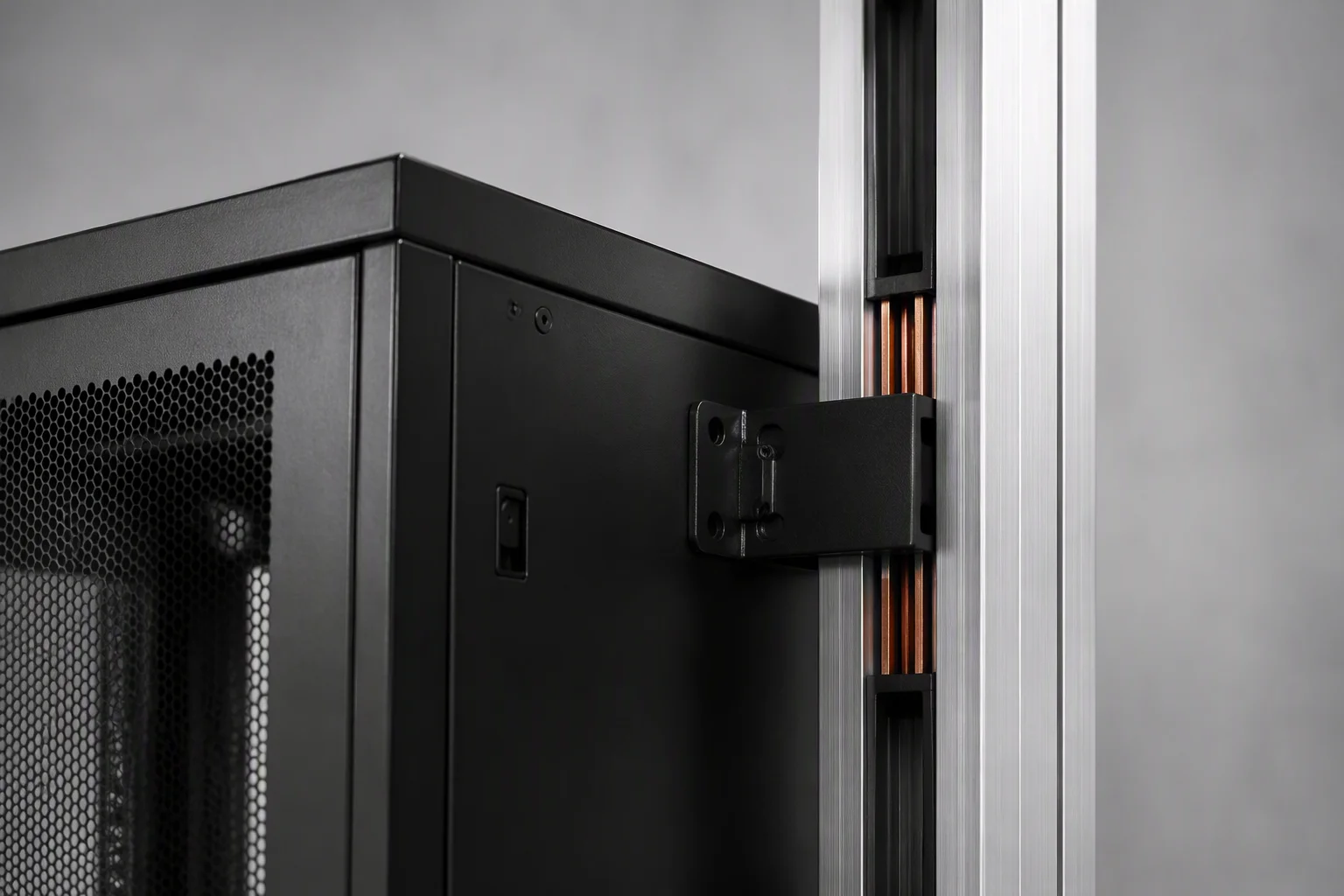
Rack column with overhead busbar trunking and a plug-in tap-off box

Busway-Integrated

Columns built as busway tap-off stations: brackets and cable troughs pre-mounted, so no field crews work above live aisles.

  • 250–800 A track with plug-in box positions
  • 400 kW-per-position design ceiling on the busway spine
  • Ground continuity ≤0.1 Ω verified before shipping
Learn more →
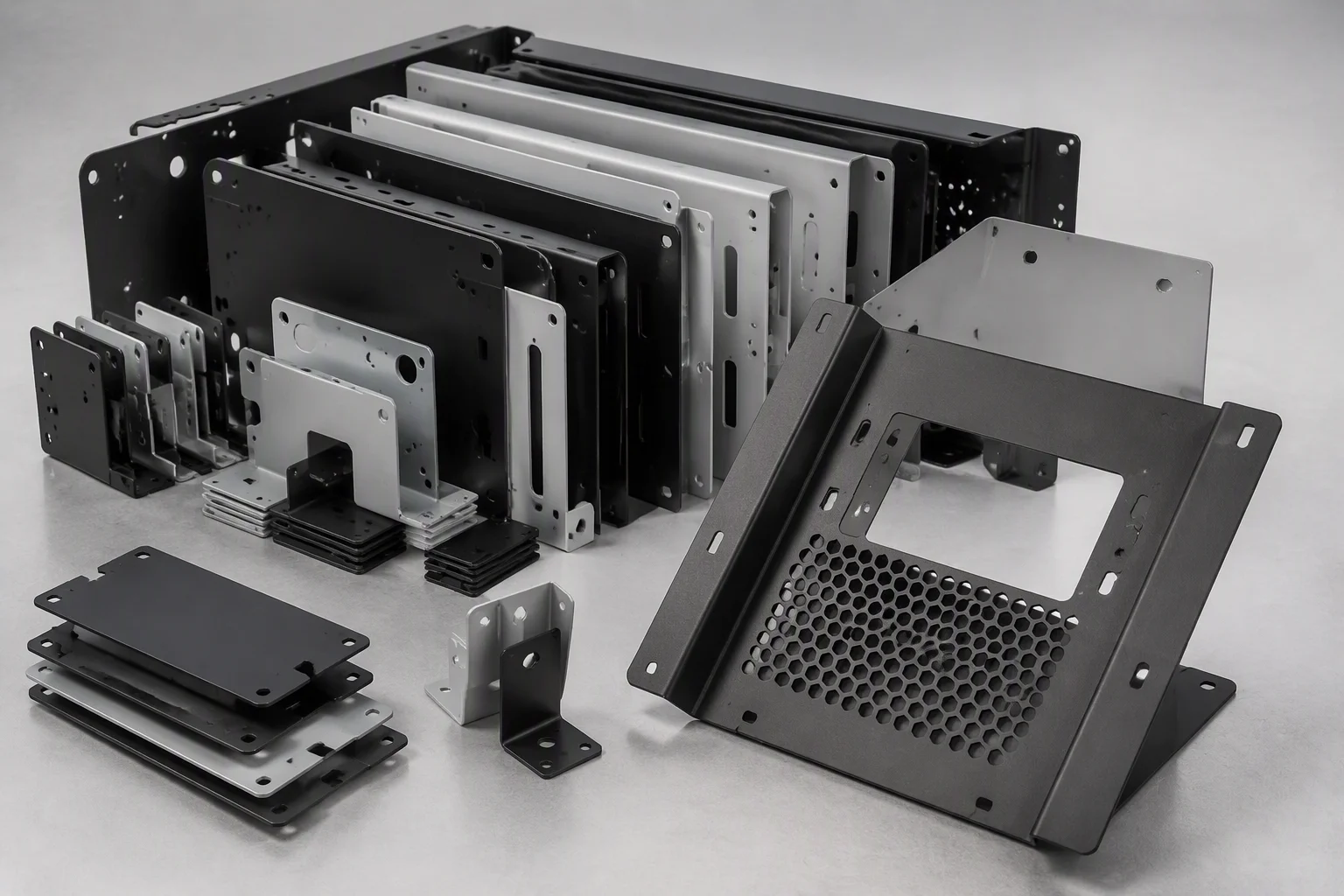
Array of freshly powder-coated sheet metal parts arranged on a workbench

Sheet Metal OEM

Contract sheet metal on the same line that builds our racks — laser, punch, bend, weld, powder coat, assemble, under drawing NDA.

  • 1.2–2.0 mm SPCC/SGCC, ±0.1 mm fabrication tolerance
  • CMM first-article reports and batch traceability
  • 48-hour DFM feedback on incoming drawings
Learn more →
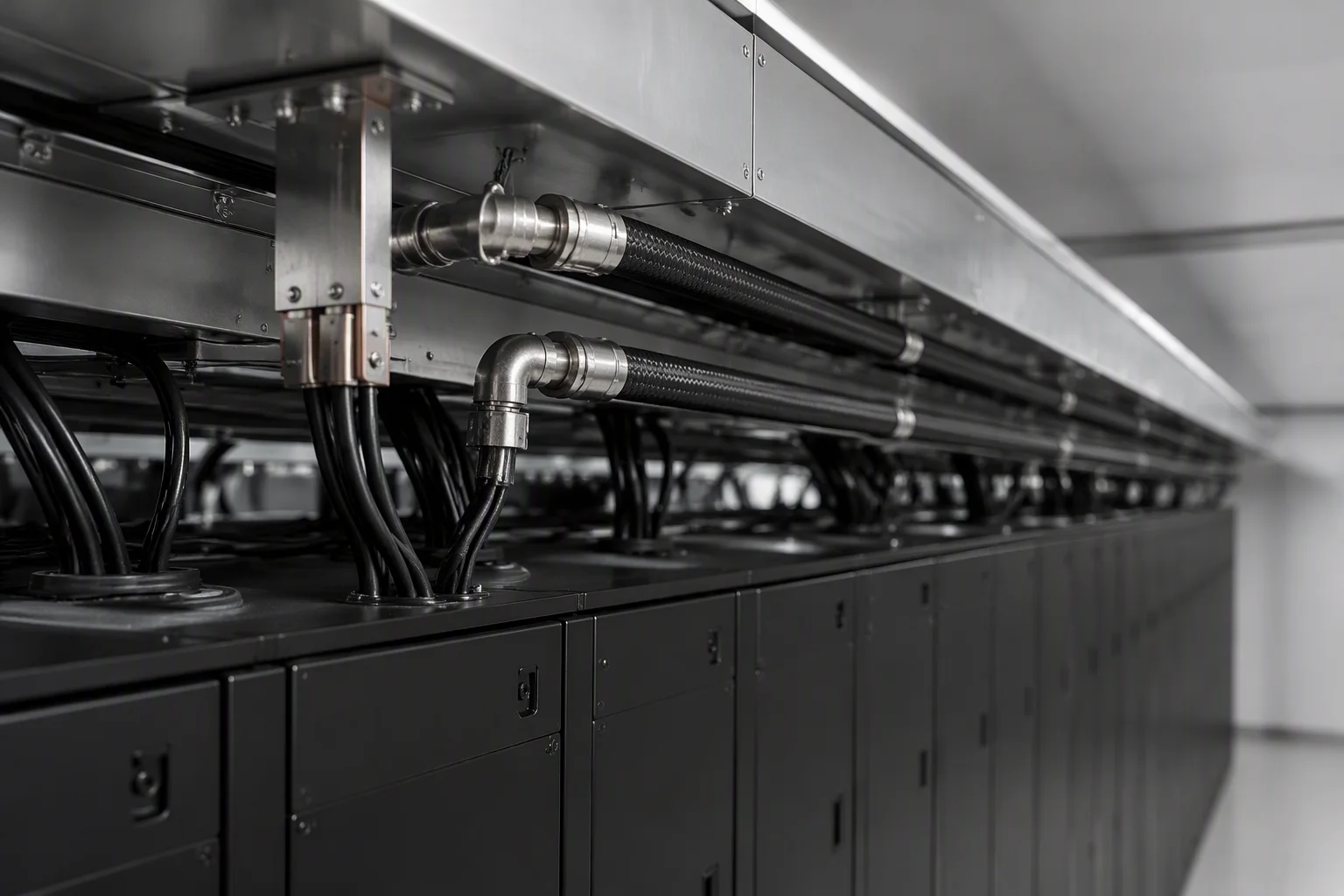
Close-up of rack-top busbar trunking and coolant manifold piping under industrial white light
Pre-integration

Wired, piped and tested before it ships

A rack that arrives as a kit is a project. A rack that arrives ready is a schedule. RackForge mounts the power and cooling path on the frame at the factory, so the on-site scope collapses to positioning, baying and plugging in.

  • Busbar tap-off slots, mounting brackets and cable troughs leave the factory installed — no field busbar work above live aisles.
  • Liquid-cooling manifolds are pressure-tested at 1.5× working pressure for 24 hours; the pressure-drop log ships with the rack.
  • UQD quick disconnects are positioned to mate with your CDU loop; flow paths are rinsed, capped and inspected at outgoing.
  • Every rack passes flow-path and insulation checks before the plywood crate is closed.

Field integration of busbar and coolant piping typically adds 2–3 weeks of site work per hall. Racks that arrive pre-integrated go from crane to live load the same week — our standard lead time is 30 days, 15 for a sample unit.

1600kg Static load per cabinet, tested at a 4× safety factor with a 72-hour creep re-check
30days Standard FOB lead time after drawing sign-off; 15 days for a sample unit
3yr Warranty on structure, coating and factory-fitted components
6processes One in-house sheet metal line: laser, punch, bend, weld, coat, assemble
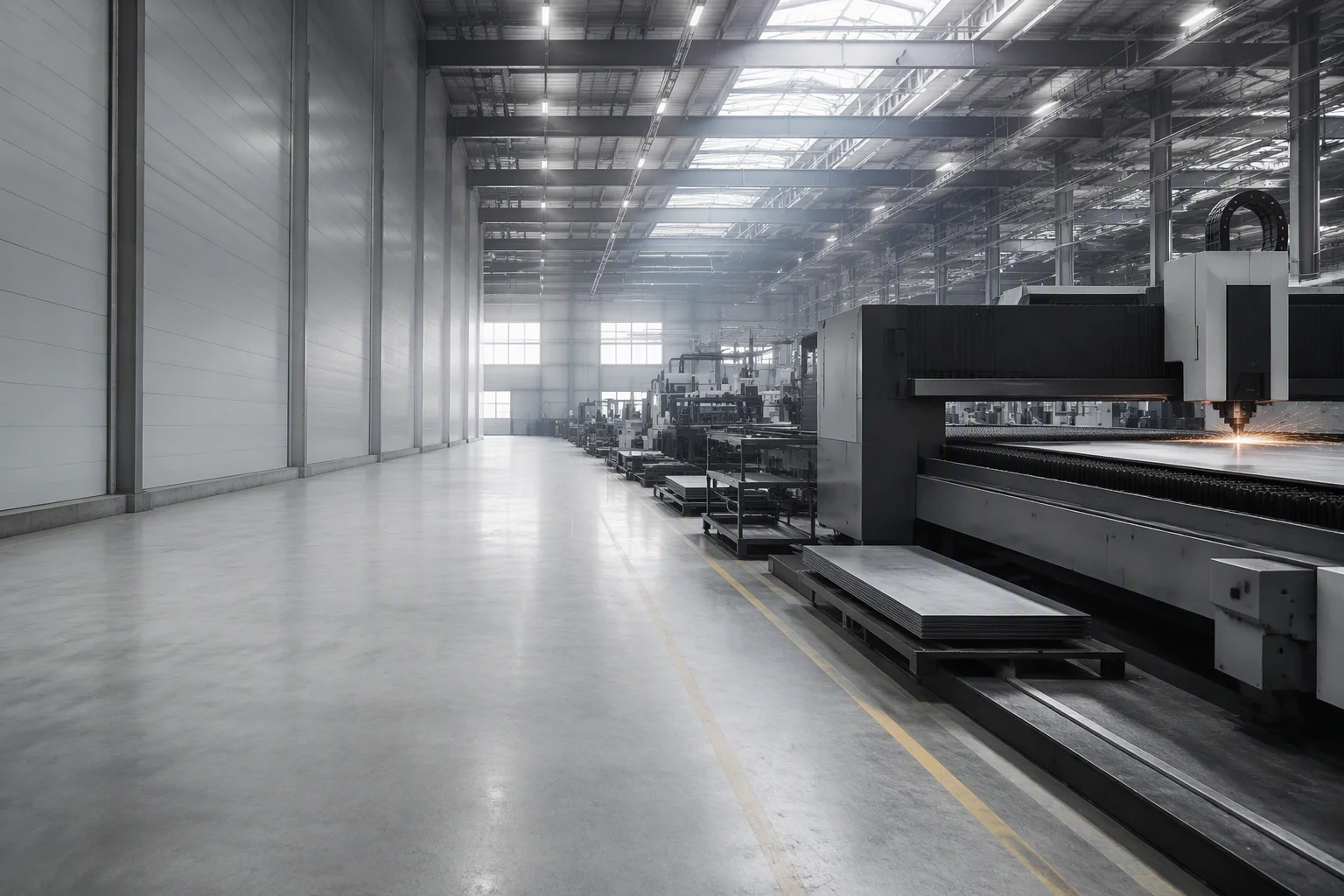
Wide view of a sheet metal workshop with laser cutting and bending bays
SIX PROCESSES · ONE ROOF

Forged on our own sheet metal line

Every RackForge cabinet starts as coil steel and passes through six processes we run ourselves: laser cutting, CNC punching, bending, welding, powder coating and assembly. No subcontractor's schedule sits between your order and the steel, and every rack passes a full outgoing inspection before crating.

The same line takes ODM work. Drawings stay under NDA, first articles are verified on CMM, and export packing goes out as plywood crates or CKD flat-pack — flat-pack cuts shipped volume by around 40% for repeatability programs.


Comparison

Generic catalog rack vs RackForge

Most AI projects do not fail on the rack line item — they fail on the three weeks of site work, the unverified load number and the open aisle that follows it. Here is the same decision, side by side.

Decision factor Generic catalog rack RackForge
Power integration No Busbar and piping crews mobilize after the racks are set — 2–3 weeks of site work per hall Yes Busbar tap-off slots and coolant manifolds mounted and tested at the factory
Load rating No A catalog figure with no test trail behind it Yes 1,600 kg static at 4× safety factor, 72-hour creep re-check, report in the crate
Aisle airflow No Open aisles — large data halls still average PUE 1.44 Yes Containment built to a published measured result: PUE 1.84 → 1.65
AI footprint No One width fits no GPU reference design Yes Dimensions aligned to GB200/GB300 NVL72 rack sizes and OCP ORv3
Air-leakage control No In open rooms, 25–50% of cold air bypasses the load entirely Yes Blanking panels and brush sealing fitted; contained leakage held to 3–10%
Doors No Solid sheets or nothing at all Yes Mesh doors with ≥80% open area, or 12 mm tempered glass containment doors
Ship-with documents No A packing list Yes Load test record, pressure log, drawing package, warranty card, CE declaration
Lead time No Quote-driven, drifting with subcontractors Yes 30 days standard FOB, 15 days for a sample, MOQ 5 units
Brushed steel texture

Form follows airflow.

Put the next generation of compute into a cabinet built to carry it — 132 kW, 1,600 kg, tested before it ships.